
health
Dubai ,UAE
How Does Crown Hair Transplant Recreate Natural Crown Density?
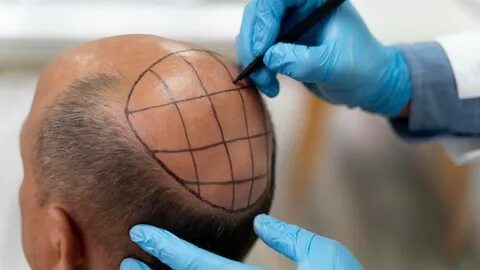
The crown area is one of the most challenging regions for hair restoration because it naturally has a spiral growth pattern and often shows thinning earlier than other parts of the scalp. In modern hair restoration, Crown Hair Transplant in Dubai is widely recognized as an effective method to recreate natural-looking density by carefully placing healthy follicles in a way that mimics the original crown growth pattern and coverage.
Understanding Crown Hair Loss Patterns
Crown hair loss usually begins with gradual thinning at the back of the scalp. Over time, this thinning can expand outward, creating a visible circular bald spot. Because this area is difficult to cover with styling, even mild thinning becomes noticeable.
Why Crown Density Is Hard to Restore Naturally
The crown region is highly sensitive to genetic hair loss and reduced follicle activity. Once follicles become inactive, natural regrowth is limited, making it difficult for the area to regain density without advanced restoration techniques.
How Crown Hair Transplant Works on Density
A crown hair transplant involves extracting healthy hair follicles from a donor area, typically the back or sides of the scalp, and implanting them into thinning crown regions. These follicles are resistant to hair loss and continue to grow naturally after transplantation.
Key Ways It Recreates Natural Density
- Fills thinning crown areas with healthy follicles
- Restores uniform spacing between hair strands
- Rebuilds visual fullness in bald patches
- Enhances overall scalp coverage
- Creates balanced hair distribution in crown zone
Role of Donor Hair in Density Restoration
Donor hair plays a vital role because it retains its genetic strength even after relocation. Once transplanted, these follicles continue producing hair, helping restore long-term density in the crown area.
Importance of Natural Growth Pattern Design
The crown has a unique spiral growth direction. Surgeons carefully align transplanted follicles to match this natural swirl pattern, ensuring that new hair blends seamlessly with existing strands.
How It Improves Visual Fullness
Even when total hair count does not drastically increase, strategic placement of follicles improves the illusion of fullness. Filling sparse areas reduces scalp visibility and enhances perceived density.
Areas Commonly Treated in Crown Restoration
Different zones within the crown are addressed depending on hair loss severity.
- Central crown for main thinning spot
- Surrounding area for blending density
- Mid-crown for gradual transition
- Outer crown for natural integration
- Full crown region for complete coverage
Factors That Influence Density Results
- Severity of crown hair loss
- Quality and availability of donor hair
- Scalp condition and healing response
- Precision of graft placement
- Patient’s hair characteristics
Why Precision Placement Matters
Accurate placement ensures that each follicle follows the natural angle and direction of existing hair. This precision is essential for achieving realistic density and avoiding an artificial appearance.
Importance of Graft Distribution Strategy
Even distribution of grafts prevents overcrowding in one area and sparse coverage in another. A balanced approach ensures smooth, natural-looking density across the crown.
How It Blends with Existing Hair
Transplanted hair is integrated between existing strands to create seamless coverage. Over time, this blending improves the visual consistency of the crown area.
Gradual Growth and Density Improvement
Crown transplant results develop gradually. Newly transplanted follicles initially shed, then enter a growth phase where density slowly increases over several months.
Long-Term Stability of Results
Because donor hair is genetically resistant to hair loss, the restored density in the crown area is typically long-lasting, helping maintain improved coverage over time.
FAQ's:
Can crown hair transplant restore density?
Yes, it helps rebuild natural-looking fullness.
Does crown hair grow naturally after transplant?
Yes, transplanted follicles grow like normal hair.
Why is crown area difficult to treat?
Due to its spiral pattern and genetic sensitivity.
When do results appear?
Visible density improves over several months.
Is the result permanent?
Yes, transplanted hair is long-lasting.
Conclusion
Crown hair loss can significantly affect overall hair appearance, but modern restoration techniques offer effective solutions. With Crown Hair Transplant in Dubai, healthy donor follicles are strategically placed to match natural growth patterns, helping recreate realistic density in the crown area. Over time, this leads to fuller coverage, improved scalp balance, and a naturally restored appearance that blends seamlessly with existing hair.